

Project Overview
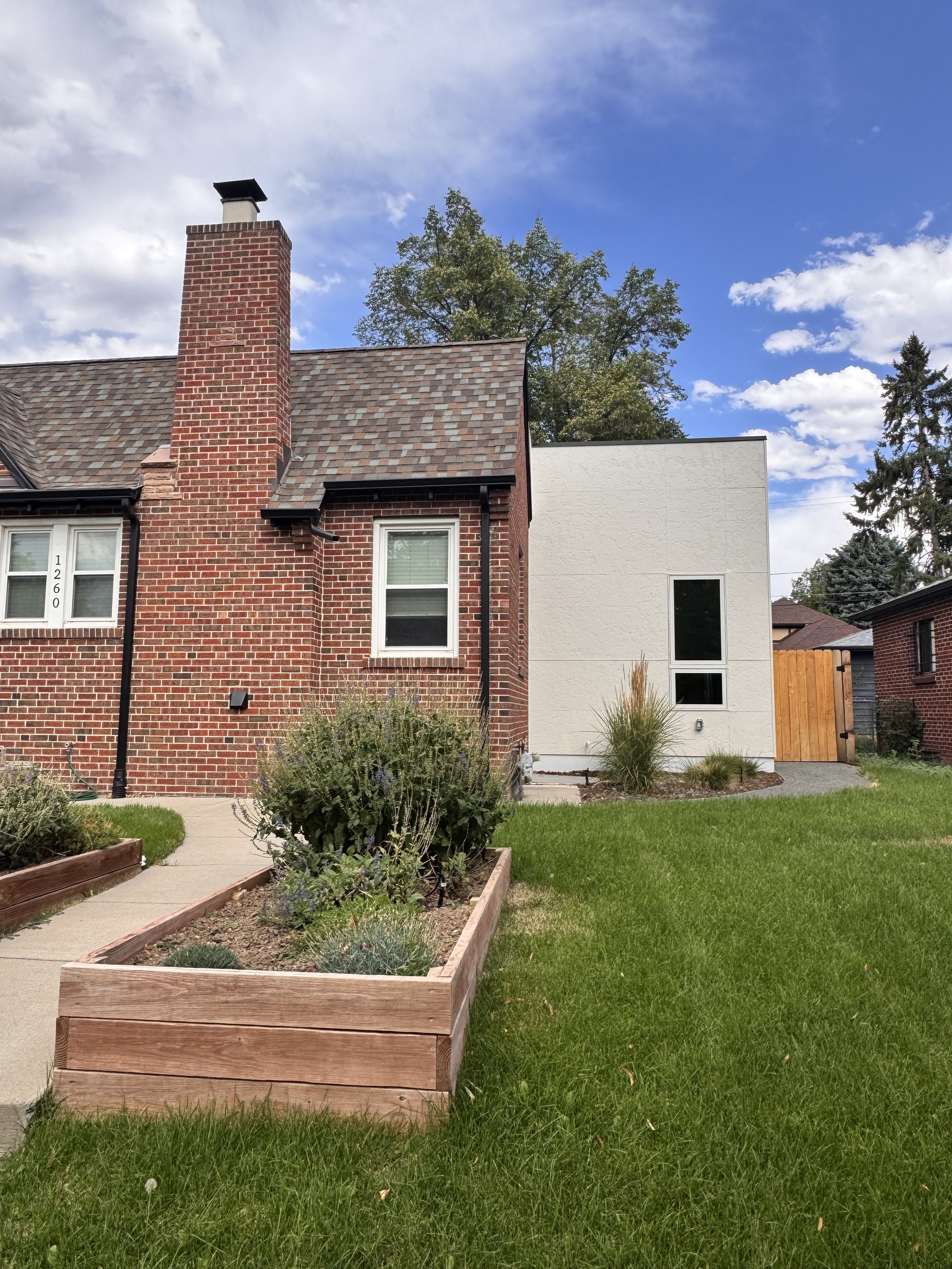
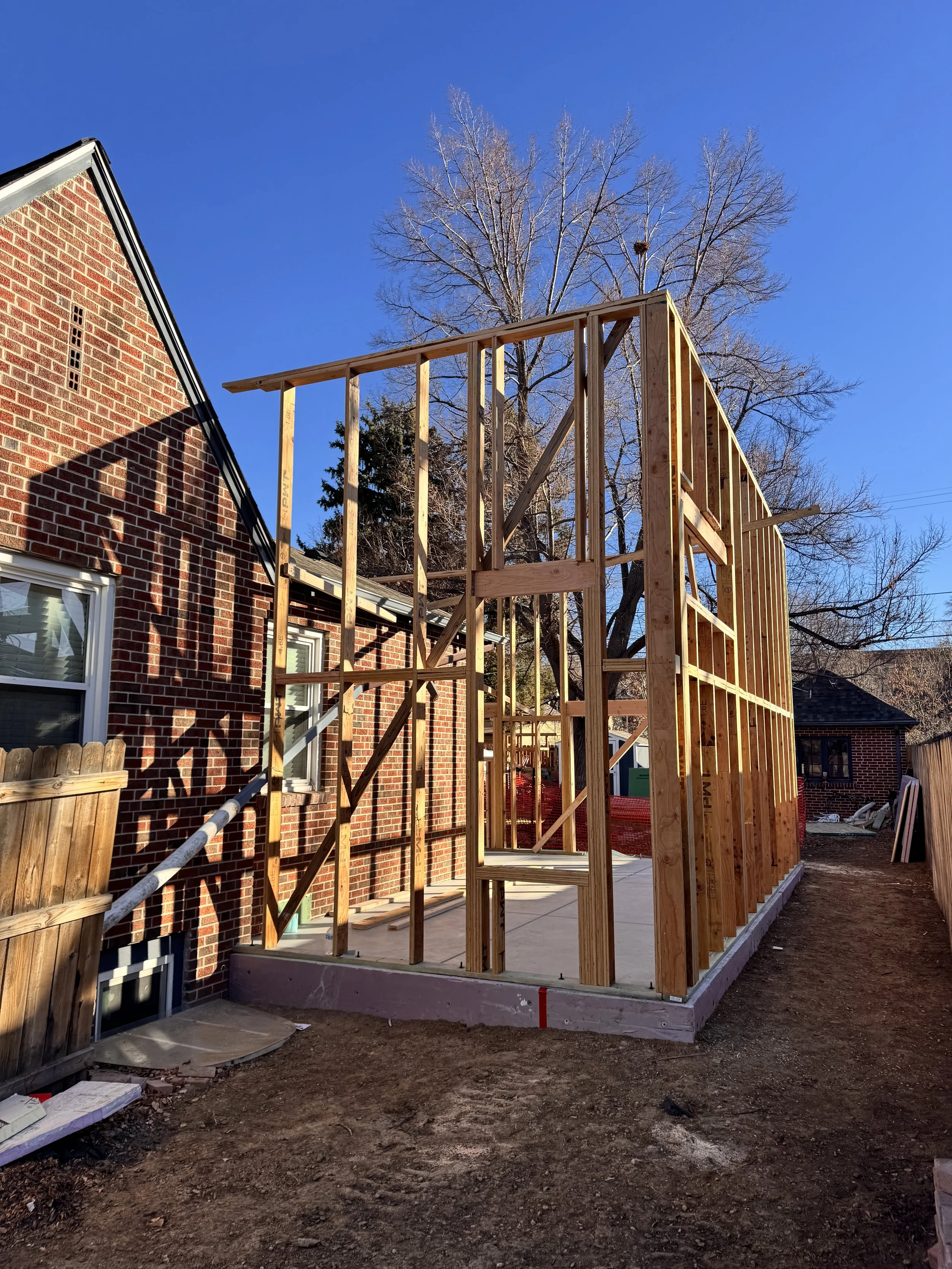
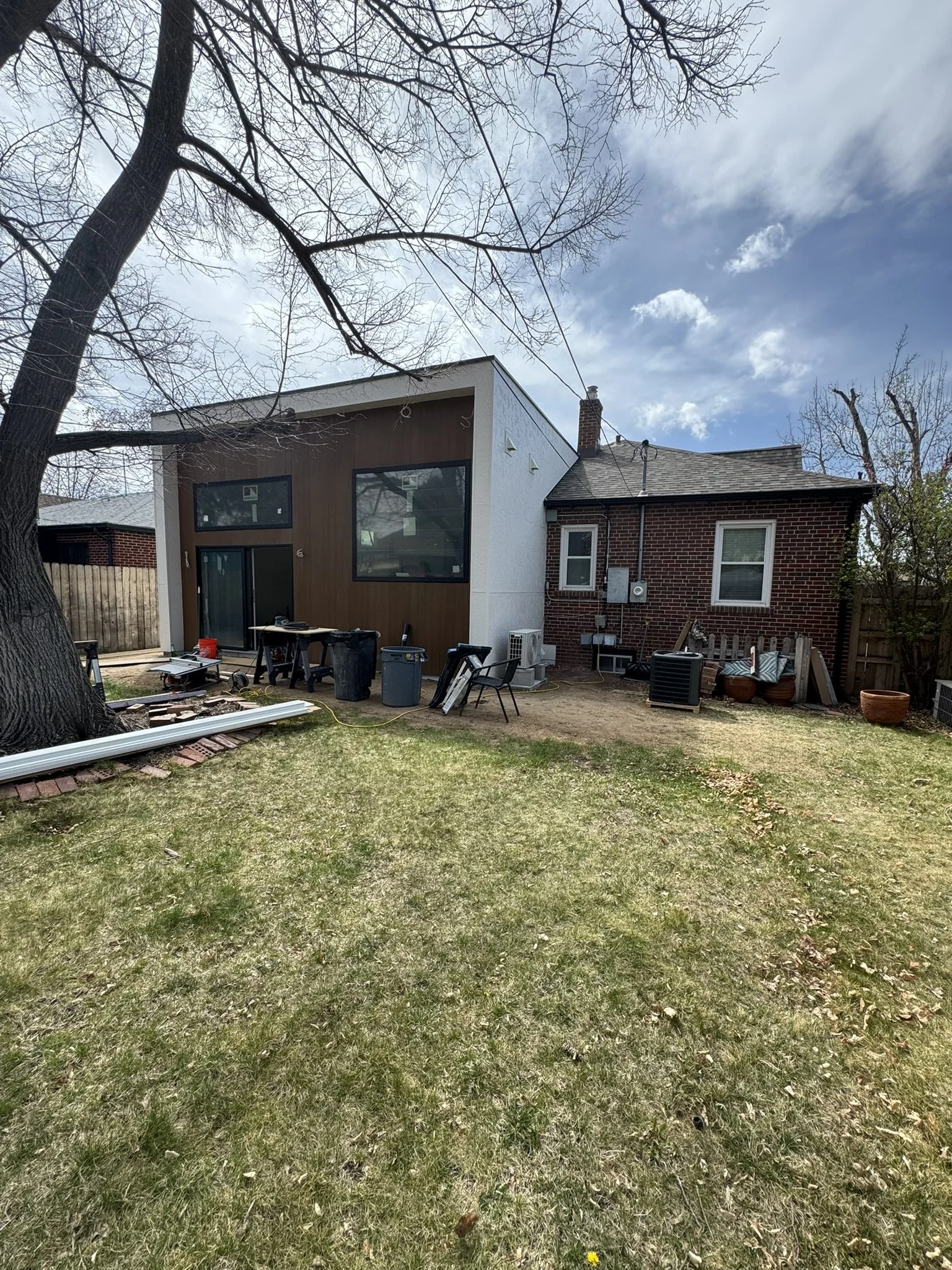
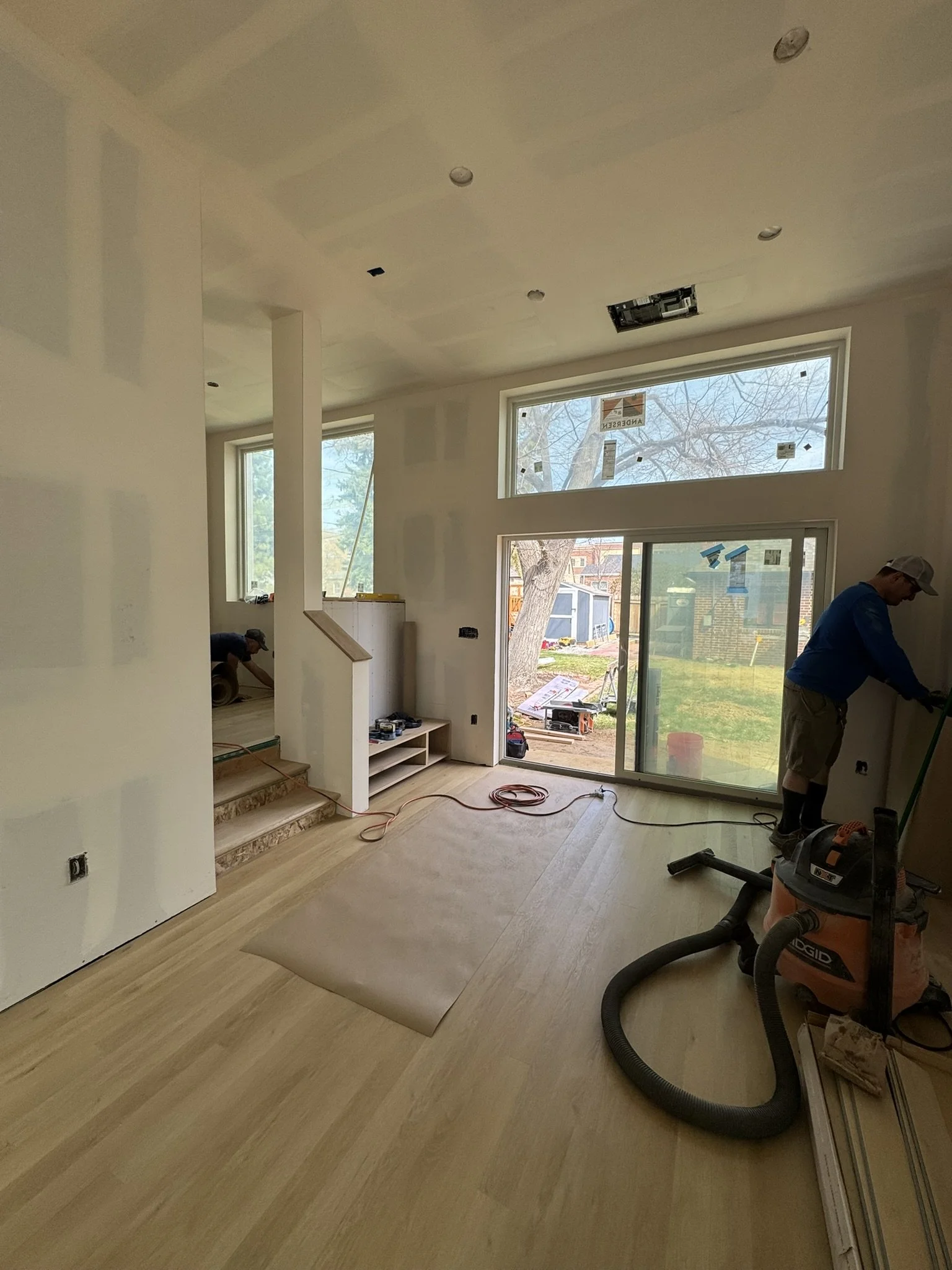
The homeowners wanted to expand their historic Tudor home with more functional living space for their growing family. Prenvalley Builders designed and built a modern addition that carefully ties into the existing brick structure while meeting Denver’s zoning and bulk plane requirements. What makes this project special is the seamless balance between historic character and clean, contemporary design, creating an addition that feels intentional, cohesive, and built to last.
Project Details
Size: 450 sq ft
Location: Denver, Colorado
Architectural Design: NAGY Design Co.
Our Approach
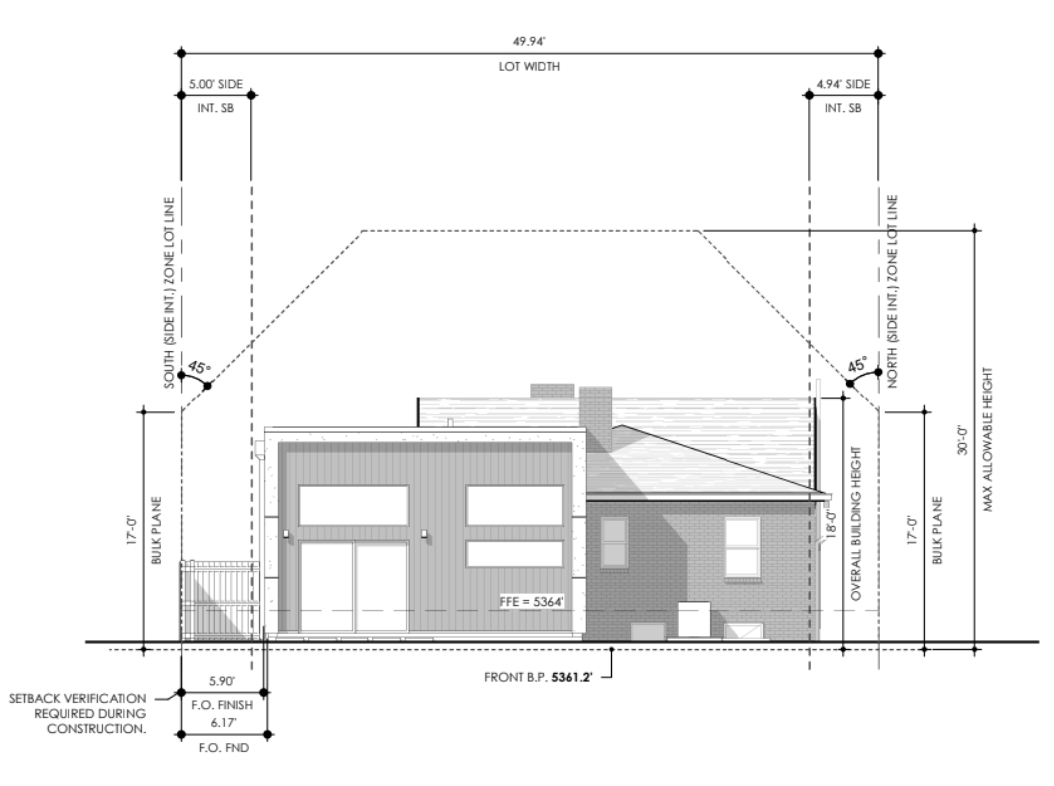
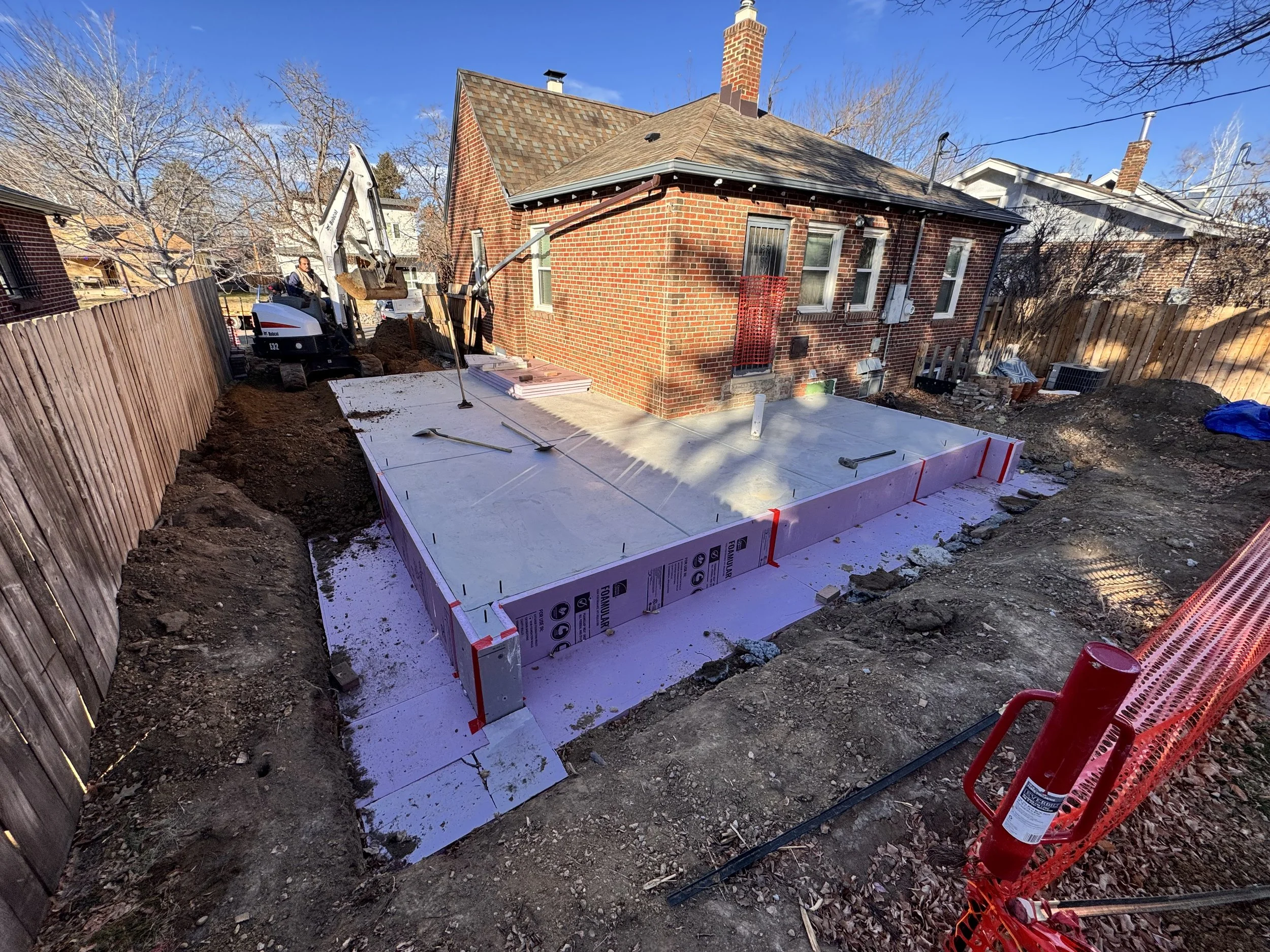
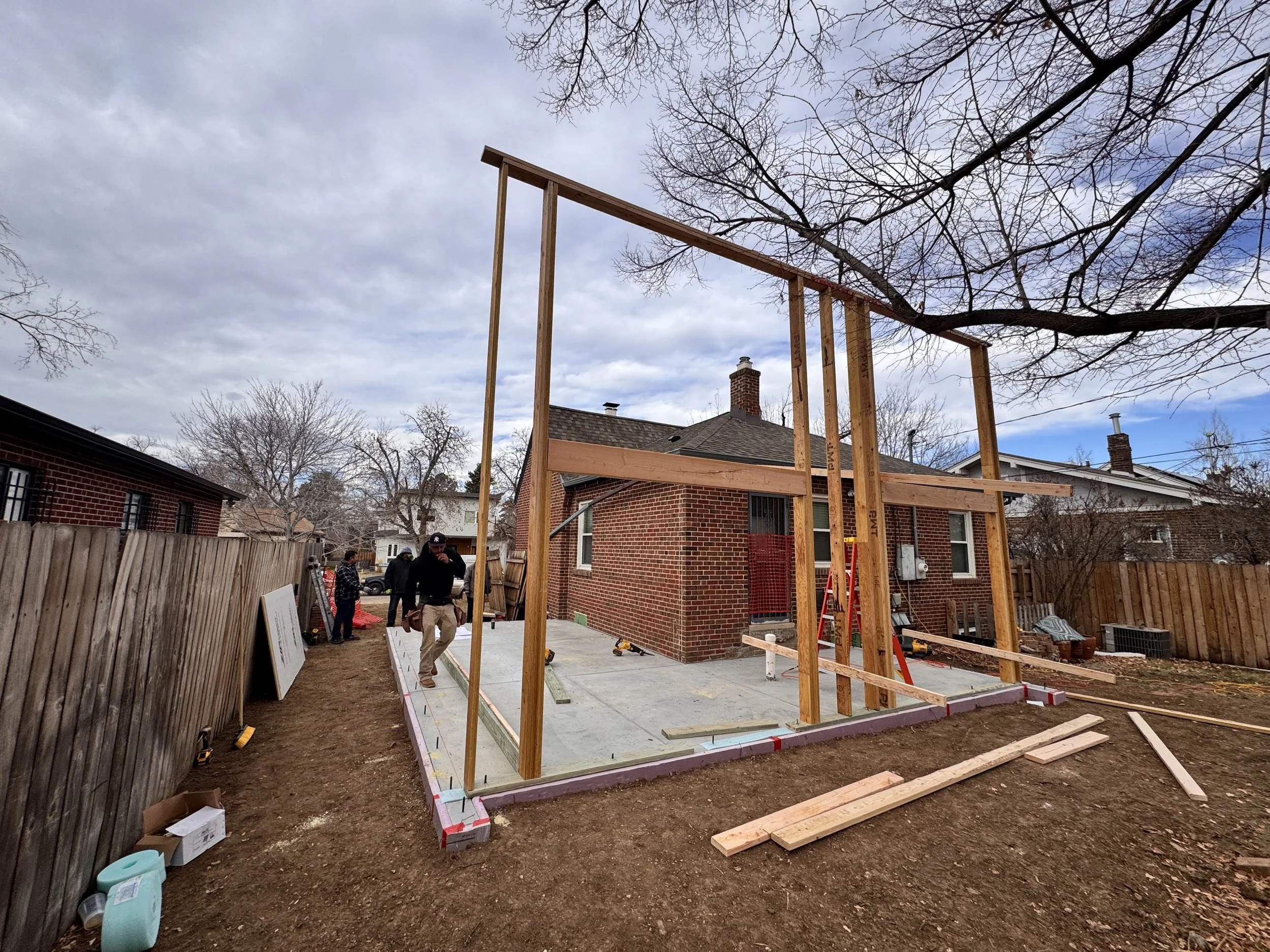
Prenvalley Builders approached this Denver home addition with a clear focus on structural integrity, zoning compliance, and long-term performance. The team carefully coordinated foundation work, framing, and exterior detailing to ensure a seamless connection between the new addition and the historic Tudor home. Through a process-driven, detail-oriented approach, the result feels both modern and respectful of the original architecture.
Project Highlights
Added functional living space with a rear home addition
Integrated new construction with historic brick Tudor home
Met Denver zoning, setback, and bulk plane requirements
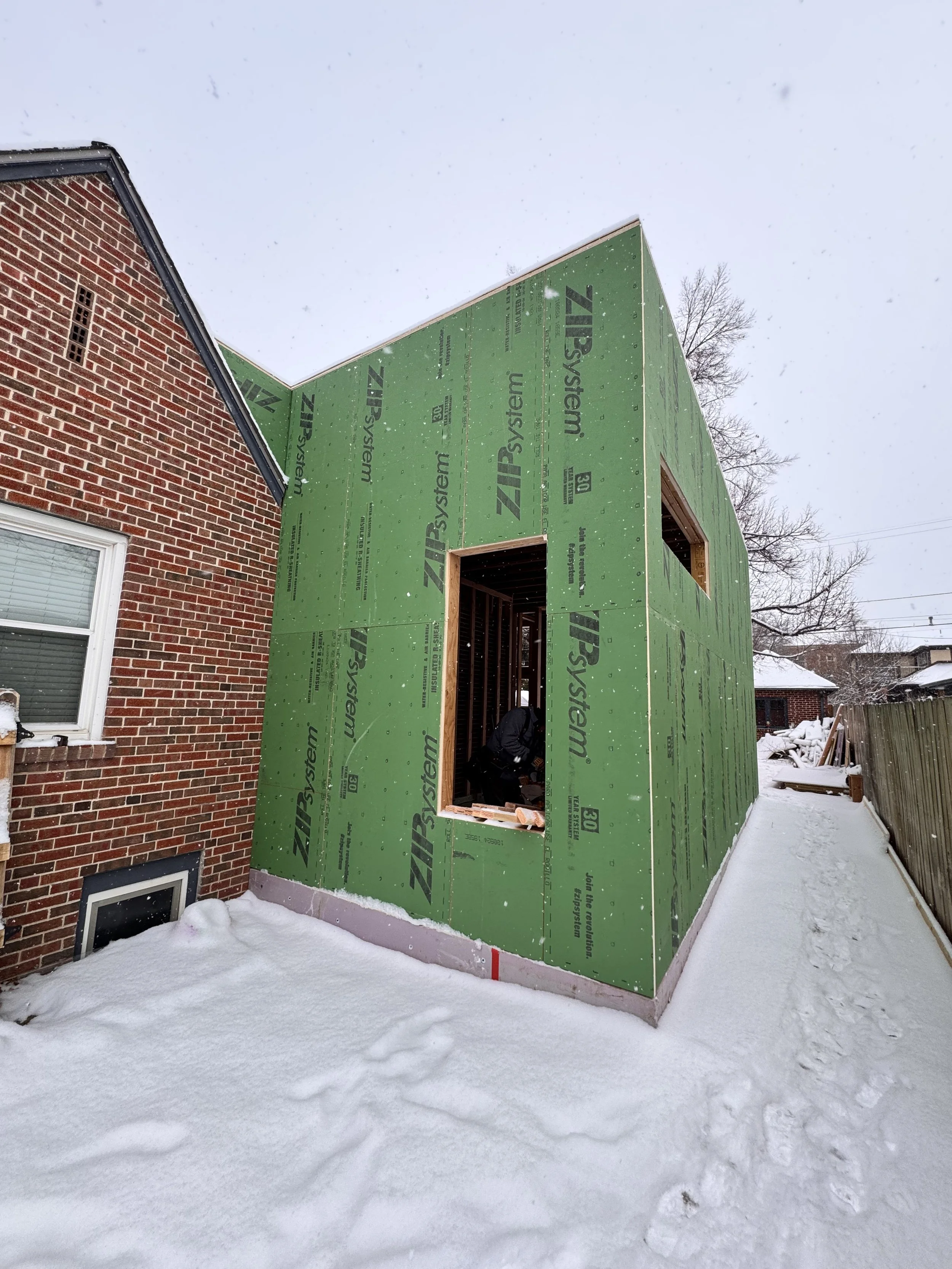
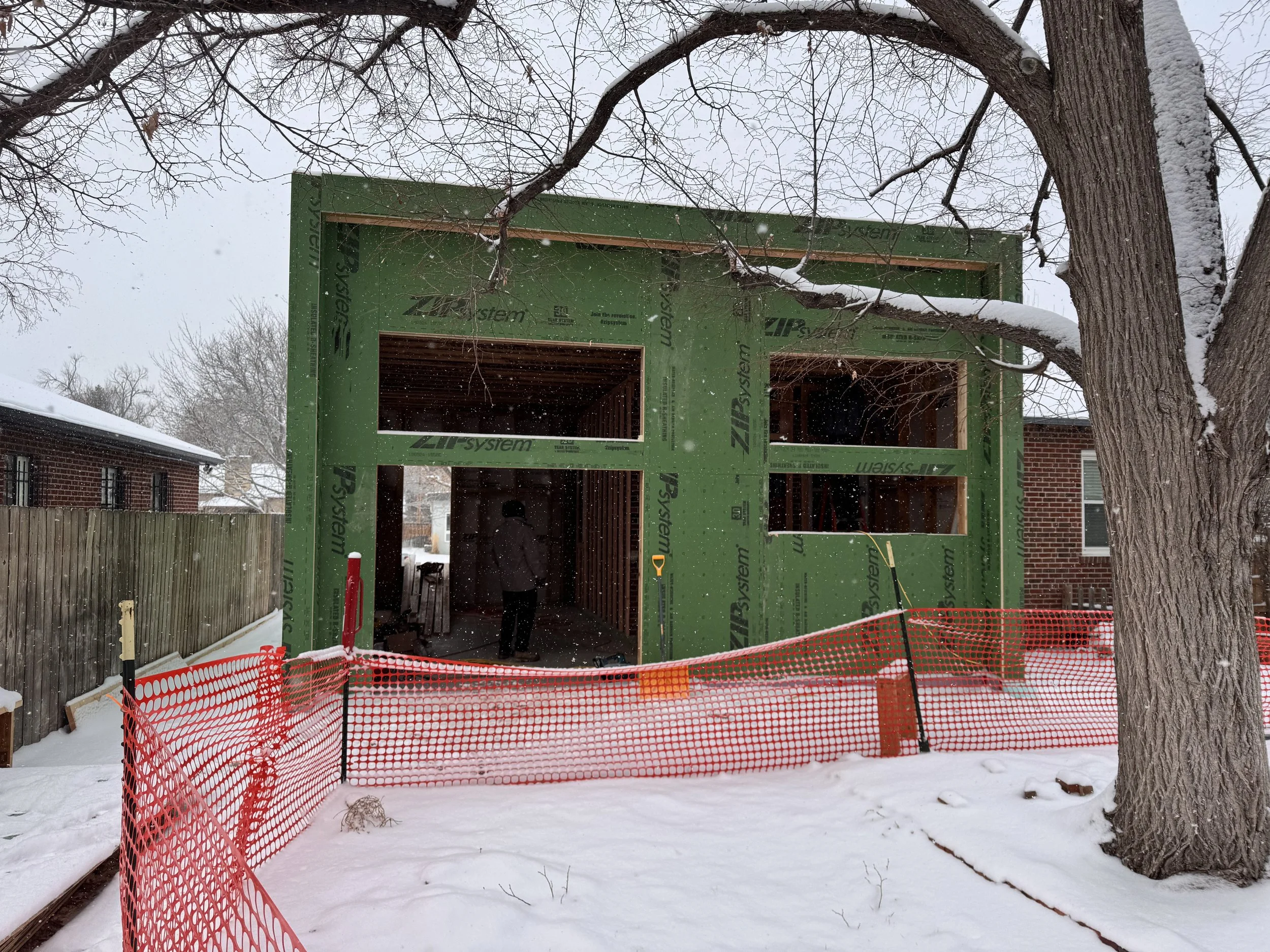
Completed foundation, framing, and exterior envelope work
Built a high-performance exterior system
Balanced modern design with historic character
Results
The completed addition provides the homeowners with meaningful new living space that feels fully integrated with their historic home. Clean modern lines, durable materials, and thoughtful detailing create a seamless transition between old and new. The result is a high-quality Denver home addition designed for long-term comfort, performance, and everyday use.
Project Goals
Increase usable living space for a growing family
Integrate a modern addition with a historic Tudor home
Meet Denver zoning, setback, and bulk plane requirements
Improve long-term durability and building performance
Maintain architectural integrity while modernizing the home
Common Questions about Home Additions
-
It depends on the type of addition. If it’s a single story addition off the back of your home we can definitely accommodate that but just be wary that noise is a consideration if you work from home. For second story additions (pop-tops) we typically request that the clients live somewhere else due to logistical reasons with plumbing and electrical. It’s also a very invasive process with life safety considerations as well as just daily living comfortability issues.
-
This can vary quite a bit on size but we’ve seen these projects range from 4-6 months in design/ plan review and 5 to 8 months in construction. You can consult our process sheet here!
-
Make sure to get an asbestos report early on to ensure that you or the construction team won’t be exposed during the project. Also, asbestos remediation can be expensive so that additional cost is good to know early on. Also, additions can be unpredictable - especially in older homes. Check if your contractor has considered all factors of the project (e.g. lath and plaster walls, unlevel floors, structural considerations, age of existing plumbing and electrical, etc.). Making sure your contractor is carrying a contingency budget on an addition is especially important because we typically don’t know what we’re going to find behind walls and floors until after demolition has been completed which can add additional cost.